
Concrete Repair & Resurfacing
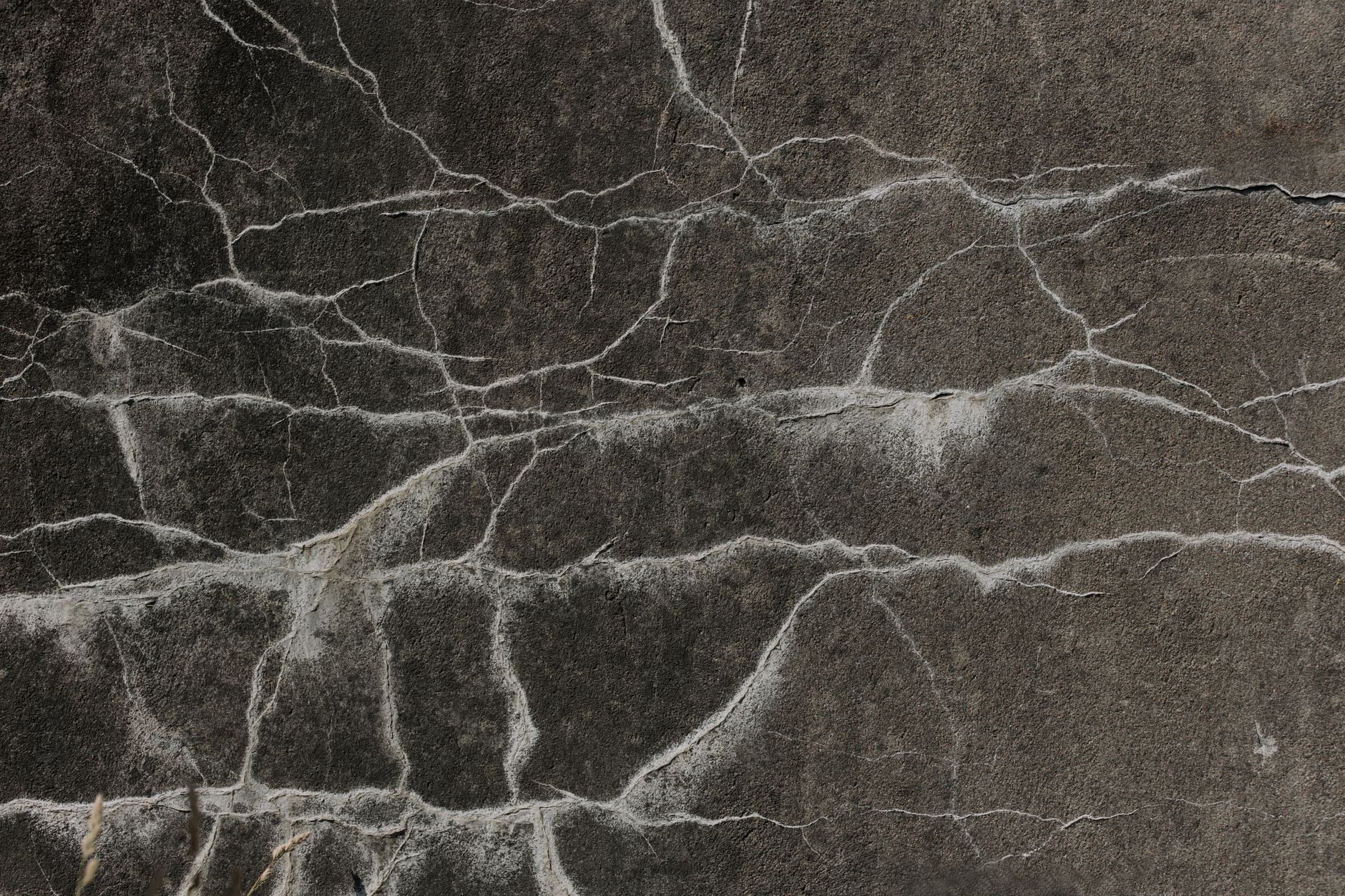
Concrete Repair & Resurfacing in Provo & Utah County, UT
Cracked, spalled, or sinking concrete doesn’t always need to be replaced. Bedrock Concrete Pros offers expert concrete repair in Utah — from crack and spalling repair to slab leveling, resurfacing overlays, and full demolition and haul-off — so you can make the right call for your budget and your slab.
Utah’s climate is hard on concrete. Dozens of freeze-thaw cycles every winter, expansive clay soils that swell and shrink with moisture, and years of vehicle traffic and de-icing salt all take their toll. The good news: not every damaged slab needs a full tear-out. Understanding whether to repair or replace — and choosing the right repair method — can save you thousands. Bedrock Concrete Pros will give you an honest assessment and the full range of options at your free estimate.
Concrete Repair Services We Offer
We handle the full spectrum of concrete repair in Utah County and across the Wasatch Front. Whether it’s a hairline crack in a sidewalk or a badly spalled driveway that needs resurfacing, we have the right solution.
- Crack repair — polyurethane or epoxy injection for structural cracks; flexible sealants for control-joint and surface cracks to stop water intrusion before it worsens.
- Spalling repair — patching and resurfacing surface spalls caused by freeze-thaw cycling, de-icing salt, or a weak surface layer on the original pour.
- Slab leveling & lifting (mudjacking) — hydraulic lifting of sunken slabs by pumping a grout slurry beneath the concrete to fill voids and raise the slab back to grade.
- Grinding & trip-hazard removal — concrete grinding to eliminate raised edges and unlevel joints that create tripping hazards on driveways, sidewalks, and walkways.
- Resurfacing & overlays — a new bonded wear layer applied over structurally sound existing concrete to renew the surface, hide cosmetic damage, or change the finish.
- Concrete demolition & removal — full break-out, removal, and haul-off of old, failing, or unwanted concrete slabs when repair no longer makes sense.
Repair vs. Replace: How to Decide
This is the question we get most often, and the honest answer is: it depends on the slab’s condition, its age, and what you’re trying to accomplish. Here’s a practical guide:
Repair or resurface when…
- Cracks are narrow (<1/4") and not shifting vertically
- Spalling is surface-deep only — the base is solid
- One or two sections have sunk but the concrete itself is intact
- You want to refresh the look of a cosmetically worn slab
- The slab is less than 15–20 years old and structurally sound
Replace when…
- Multiple slabs are cracked, heaved, or fragmented
- The sub-base has failed (persistent sinking, wide voids)
- Cracks are large (>1/2"), numerous, or shifting
- Spalling covers most of the surface or is deep
- You’re changing the layout, adding area, or upgrading to stamped or decorative concrete
At your free estimate, we’ll take an honest look and tell you which path makes more sense — we won’t push replacement when repair will do the job, and we won’t patch a slab that’s past saving.
Slab Leveling & Mudjacking in Utah
Settled or sunken concrete is common in Utah, especially in areas with expansive clay soils like much of Utah County. When soil beneath a slab washes away, compresses, or shifts, sections of concrete sink and create uneven surfaces, trip hazards, and drainage problems. Mudjacking — also called slab lifting or pressure grouting — is often the most cost-effective fix.
The process involves drilling small holes through the sunken slab, pumping a grout or cementitious slurry beneath it to fill the void and hydraulically lift the concrete back to its original position, then plugging the holes. When it works (and it works best when the concrete slab itself is in good structural shape), it’s significantly less expensive than tearing out and repaving. Areas where mudjacking is commonly used include driveways, sidewalks and walkways, patio slabs, and pool decks.
Not every sunken slab is a mudjacking candidate. If the concrete is crumbling or fractured, or if the void is too large to fill economically, replacement is usually the better path. We’ll evaluate your slab and tell you honestly what makes sense.
Concrete Resurfacing & Overlays
Resurfacing is one of the most underused options in concrete repair. If your driveway, patio, or walkway is structurally intact but looks worn, pitted, or dated, a bonded overlay can give it a fresh, attractive surface at a fraction of the cost of replacement. Overlay materials bond chemically and mechanically to properly prepared existing concrete, creating a new wear layer that can be finished in a variety of ways.
- Thin-set overlays — typically 1/4"–3/8" thick, applied for surface renewal on sound existing concrete; ideal for driveways and patios
- Textured resurfacing — broom or trowel finish to match or refresh the original surface texture
- Stamped overlays — decorative patterns pressed into the fresh overlay for a high-end look without full replacement
- Color and stain overlays — integral color or acid-stain finishes applied to the new surface
Proper preparation is everything with overlays. The existing surface must be cleaned, profiled (usually with grinding or shot-blasting), and any structural cracks addressed before resurfacing. Skipping prep is the primary reason overlays fail early. After resurfacing, we recommend applying a quality sealer — see our concrete sealing services for details.
Concrete Demolition & Removal
Sometimes the most practical answer is a clean start. When an existing slab is beyond economical repair — widespread cracking, a failed base, severe settling, or simply the wrong layout for your needs — we handle complete concrete demolition, break-out, and haul-off. This includes:
- Driveway demolition — full break-out and removal of old concrete driveways, including the apron, before a new concrete driveway is poured
- Patio removal — clearing old patio slabs to make way for a new design or landscaping
- Sidewalk & walkway removal — section-by-section or full-run removal of damaged or out-of-grade concrete
- Slab removal — garage floors, shed pads, or other slabs that need to come out
- Partial demolition — removing only the damaged sections when the rest of the slab is worth keeping
All demolition debris is loaded and hauled off-site — you won’t be left with a pile of broken concrete in your yard. We can also handle base preparation and sub-base compaction for the new pour.
What Does Concrete Repair Cost in Utah?
Repair costs vary widely depending on the scope, method, and condition of the existing slab. Here are general ranges to help you plan:
These are estimates for planning only. Actual cost depends on site access, slab condition, scope of work, and local market. Contact us for a free, written quote specific to your project.
Why Utah Concrete Needs More Attention
Utah’s climate creates concrete stress that homeowners in milder climates don’t deal with. Here’s what’s actually working against your concrete:
- Freeze-thaw cycling — Water that infiltrates cracks or a porous surface expands 9% when it freezes, progressively widening cracks and forcing chunks of surface concrete to delaminate (spalling). Utah County sees 100+ freeze-thaw cycles per year in some years.
- De-icing salts — Road salt and magnesium chloride deicer accelerate spalling dramatically, especially on concrete less than a year old. Avoid them on new concrete, and use sand instead for traction the first winter.
- Expansive clay soils — Much of Utah Valley sits on clay that expands when wet and shrinks when dry. This movement under a slab causes settling, cracking, and heaving over time — and it’s why proper base prep matters so much on new pours.
- Hot, dry summers — Rapid drying during the summer can cause shrinkage cracking in new concrete if it isn’t properly cured. This is also why sealing matters year-round, not just in winter.
Read more about what causes concrete damage in our blog post: Why Concrete Cracks in Utah, and how to prevent it with the right sealing schedule in How Often Should You Seal Concrete in Utah?
Our Repair Process
From diagnosis to final inspection, here’s how a typical concrete repair project works with Bedrock.
Free On-Site Assessment
We inspect your slab, identify the cause of damage (not just the symptom), and give you a clear written estimate with your best options — repair, resurface, or replace.
Surface Prep & Demolition
We prepare the work area — saw-cutting sections, grinding surfaces, cleaning and profiling for overlays, or breaking out slabs that need to come out. Good prep is what makes repairs last.
Repair, Lift, or Resurface
We apply the right solution: injecting cracks, mudjacking sunken panels, applying bonded overlays, or pouring fresh concrete where needed. Every product and method is chosen for Utah’s climate.
Finish, Seal & Walkthrough
We finish the repaired surface to match or improve on the original, recommend sealing to protect the work, and walk you through care instructions before we leave.
Why Choose Bedrock for Concrete Repair
Concrete repair done wrong makes things worse — patch jobs that pop off in six months, overlays that delaminate, mudjacking that re-settles. We do the prep work that makes repairs stick.
- Licensed & insured (Utah Lic. #14282236-5501)
- Honest repair-vs-replace assessments — we won’t upsell you
- Free, written, no-obligation estimates
- Products and methods selected for Utah freeze-thaw conditions
- Full demo and haul-off when replacement is the right call
- Backed by our workmanship warranty
We repair concrete throughout Provo, Orem, Lehi, Draper, South Jordan, and across Utah County and the Wasatch Front. Related services: concrete sealing & coatings, concrete driveways, sidewalks & walkways.
Concrete Repair FAQs
Can you repair a cracked concrete driveway, or does it need to be replaced?
It depends on the severity. Narrow cracks (under 1/4 inch) that aren’t heaving or shifting can usually be sealed to stop water intrusion and slow further damage. Widespread cracking, large vertical displacement, or a failed sub-base typically means replacement makes more sense economically. We’ll give you an honest assessment at your free estimate — no pressure either way.
What is mudjacking and does it work?
Mudjacking (also called slab jacking or pressure grouting) lifts sunken concrete slabs by pumping a grout slurry through drilled holes beneath the slab. It fills voids in the sub-base and hydraulically raises the concrete back to its original level. It works best when the concrete slab itself is in good shape — it’s not a solution for cracked or crumbling concrete. When it’s the right application, mudjacking is significantly less expensive than tear-out and replacement.
How long does a concrete resurfacing overlay last?
A properly installed overlay over well-prepared existing concrete can last 10–15 years or more. The key factors are thorough surface prep (grinding or profiling the existing slab), addressing any underlying structural issues before overlaying, using the right overlay product for the application, and sealing after installation. Overlays that fail early almost always failed at the prep stage.
What causes concrete to spall in Utah?
Spalling — where the surface layer flakes, pops, or chips off — is most often caused by freeze-thaw cycling combined with de-icing salts. Water seeps into the concrete surface, freezes and expands, and forces the top layer apart. Low-quality concrete (too much water in the mix, poor air entrainment) or concrete that was finished while bleed water was still rising are also common causes. In Utah, avoiding de-icing salts (especially on concrete in its first winter) and keeping the surface sealed are the best preventive measures.
How do I know if my concrete needs repair or full replacement?
Signs that repair is likely sufficient: a few isolated cracks, surface spalling on otherwise solid slabs, one or two sunken panels. Signs replacement makes more sense: widespread cracking across multiple slabs, significant vertical heaving or settling, crumbling or fragmenting concrete, or a base that’s clearly failed. The honest answer is that an in-person look is the only reliable way to tell — call us for a free assessment.
Do you handle concrete demolition and haul-off?
Yes. We handle complete concrete break-out, removal, and haul-off when a slab is beyond repair. That includes driveways, patios, sidewalks, slabs, and partial sections. We can also take care of base prep and compaction for the new pour that follows.
Request Your Free Quote
Tell us about your project and we’ll get back to you fast. Prefer to talk? Call (801) 854-7174.
Get a Free Concrete Repair Estimate
Not sure whether to repair or replace? We’ll come out, take a look, and give you a clear, written estimate with no pressure and no obligation. Serving Provo, Utah County, and the Wasatch Front.