Utah Homeowner Guide
Concrete vs. Pavers: Which Is Better for Utah Driveways & Patios?
Both poured concrete and paver systems can make a beautiful, durable driveway or patio in Utah. But they perform very differently through our freeze-thaw winters, clay soils, and long summers — and they come with different costs, maintenance demands, and repair headaches. Here’s a straight-talking comparison so you can choose the right material for your project.
The Short Answer: Both Work — But the Details Favor Concrete in Utah
In much of the country, concrete vs. pavers is a close call. In Utah, the balance tips a bit further toward poured concrete for most homeowners — mainly because of our severe freeze-thaw cycles and expansive clay soils. That doesn’t mean pavers are a bad choice; plenty of Utah homes have beautiful, long-lasting paver driveways and patios. But it does mean the stakes of choosing the right installer, materials, and base system are higher here than in, say, Phoenix.
Below we’ll walk through cost, installation, freeze-thaw performance, maintenance, repairability, appearance, and longevity — the seven factors that actually matter when you’re making this decision.
Cost Comparison: Concrete vs. Pavers in Utah
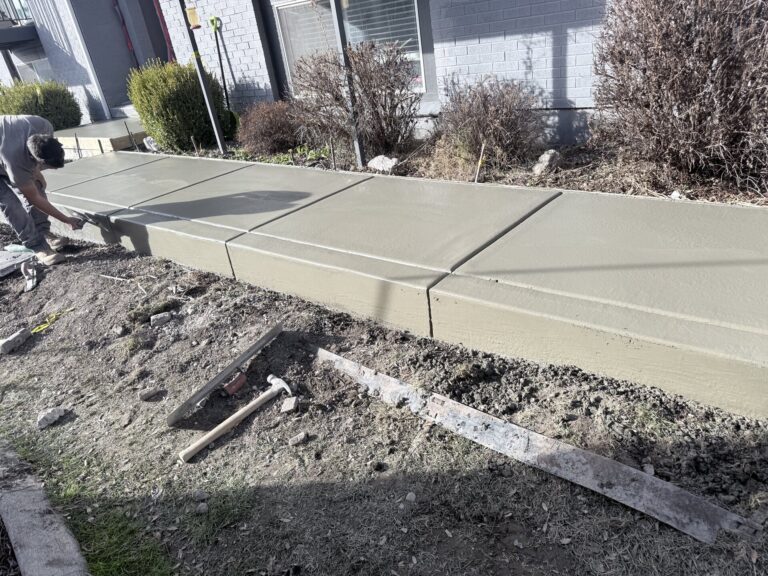
At a broad level, poured concrete and basic pavers arrive at a similar installed price range in Utah. The real difference is at the extremes: simple broom-finish concrete is usually less expensive than quality pavers, while premium stamped or decorative concrete and premium natural-stone pavers are closer in price.
These are typical Utah installed estimates for budgeting only. Actual pricing depends on size, site prep, access, material grade, and labor. Contact us for a free, written quote.
One hidden cost consideration: pavers often require more sub-base material and labor at installation because the bedding layer and edge restraints must be precise, or the whole system shifts. A poured concrete slab on a properly compacted road-base sub-base is a single continuous unit — no individual pieces to keep level.
Freeze-Thaw Performance: Utah’s Most Important Test
Utah averages dozens of freeze-thaw cycles every winter in Utah County alone — temperatures above freezing in the afternoon, below freezing at night. That cycling is the main enemy of any hardscape material, and it’s where your choice of material and installation quality matter most.
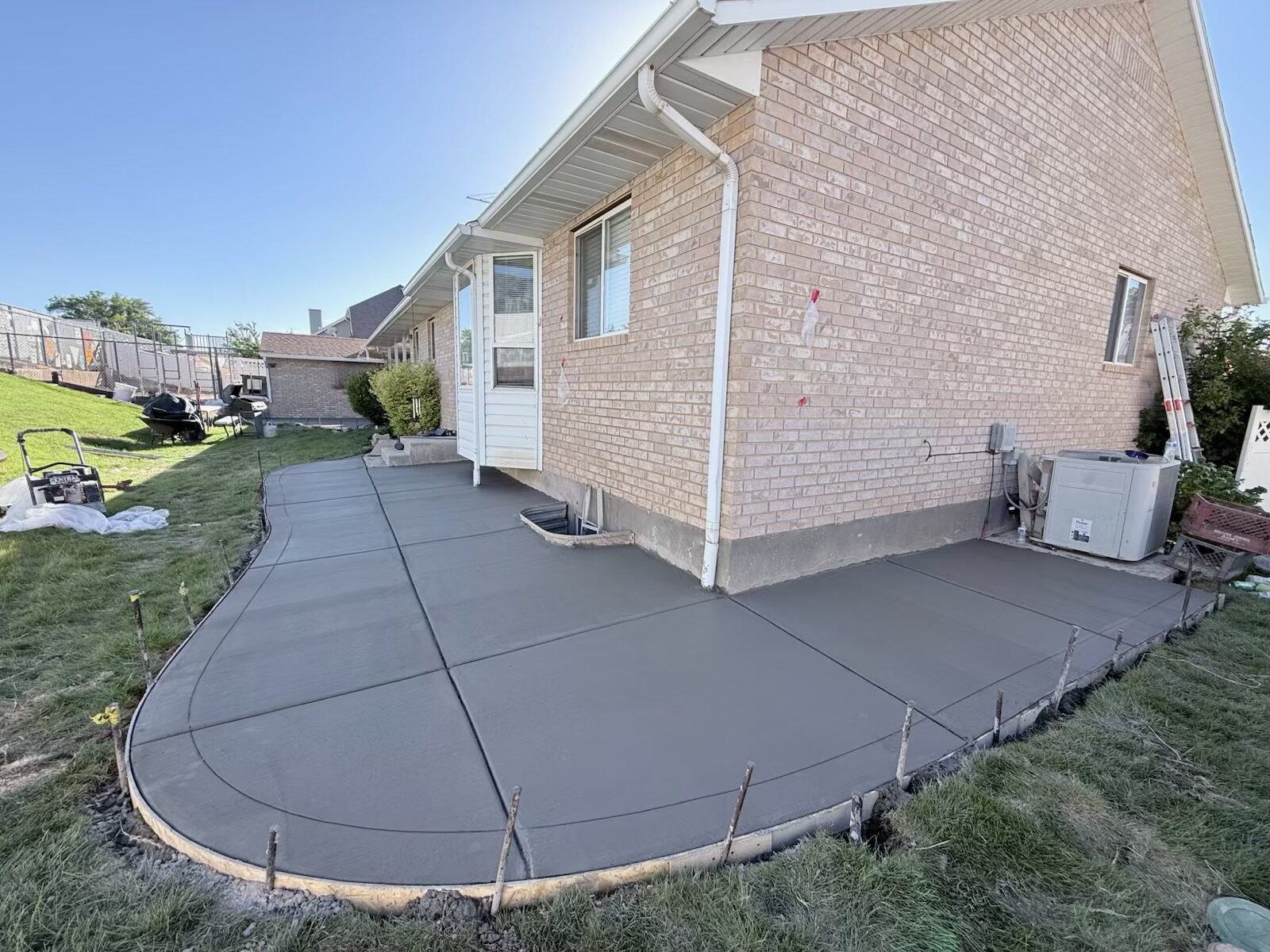
Poured concrete handles freeze-thaw well when it’s mixed and installed correctly. The key is air-entrained concrete — a mix where tiny air pockets are intentionally introduced, giving freezing water room to expand without spalling or cracking the surface. At Bedrock Concrete Pros we always specify air-entrained 4,000 PSI concrete for driveways and patios. Combine that with a compacted road-base sub-base, proper drainage slope, and correctly spaced control joints, and you get a slab that can last 25–50 years through Utah winters.
Pavers actually have a structural advantage in freeze-thaw conditions: because they’re individual units with sand joints, they can flex slightly rather than cracking. The problem in Utah is that the flexible base system (sand and gravel) that pavers rely on can be disrupted by the expansive clay soils common in much of Utah Valley and the Wasatch Front. Clay shrinks and swells with moisture, heaving sections of a paver system unevenly. This leads to the sunken or tilted paver areas you see in many Utah driveways and patios after a few years.
Properly installed concrete over a well-compacted, granular base is less vulnerable to clay heave than a paver system, which is one reason we lean toward concrete for Utah homeowners who want low long-term headaches.
Maintenance: What Each Material Actually Requires
Neither material is truly maintenance-free in Utah, but they demand different types of attention.
Concrete Maintenance
- Seal every 2–3 years — protects against moisture, salt, and UV damage. A 2-car driveway runs roughly $575–$1,700 professionally sealed.
- Avoid de-icing salts — especially the first winter. Salt attacks the surface. Use sand or kitty litter for traction instead.
- Clean stains promptly — oil and rust stains set into porous concrete if left long.
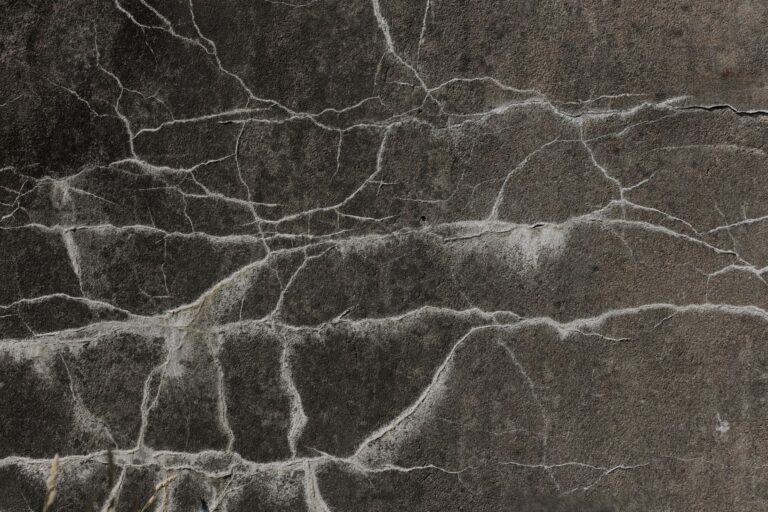
- Repair cracks early — small cracks can be sealed before they grow.
Paver Maintenance
- Re-sand joints annually — polymeric sand can wash out or dry out, especially after heavy rain or freeze-thaw cycles.
- Re-level settled areas — clay soil movement means periodic re-leveling of sunken or tilted sections.
- Seal pavers — optional but recommended to stabilize joints and prevent weed and ant intrusion.
- Weed control — joints attract weeds and ant activity, requiring periodic treatment.
On balance, concrete requires less frequent hands-on maintenance. Pavers give you the ability to reset individual pieces, but in Utah that often becomes a recurring chore rather than a one-time fix.
Repairs: How Each Material Handles Damage
This is where pavers have a genuine edge that’s worth acknowledging honestly: if a paver is cracked, stained, or damaged, you pull out that one unit and replace it. If a section settles, you lift the pavers, re-grade the base, and re-set them. Spot repairs are straightforward.
Concrete repairs are harder to make invisible. A concrete crack can be filled and sealed, but the repair will typically show. A concrete resurfacing overlay can refresh a worn or stained slab and make it look nearly new, but structural damage from a failed base requires removal and replacement of the affected section — and matching the color and texture of existing concrete is difficult.
That said, a well-installed concrete slab simply needs fewer repairs than a paver system in Utah, largely because of the clay-soil movement issue. The paver advantage in repairability is real, but you may be using it more often.
Appearance & Design Flexibility
Pavers have traditionally been seen as the more decorative option — and they do offer a natural, handcrafted aesthetic that some homeowners prefer. But modern decorative concrete techniques have closed the gap substantially.
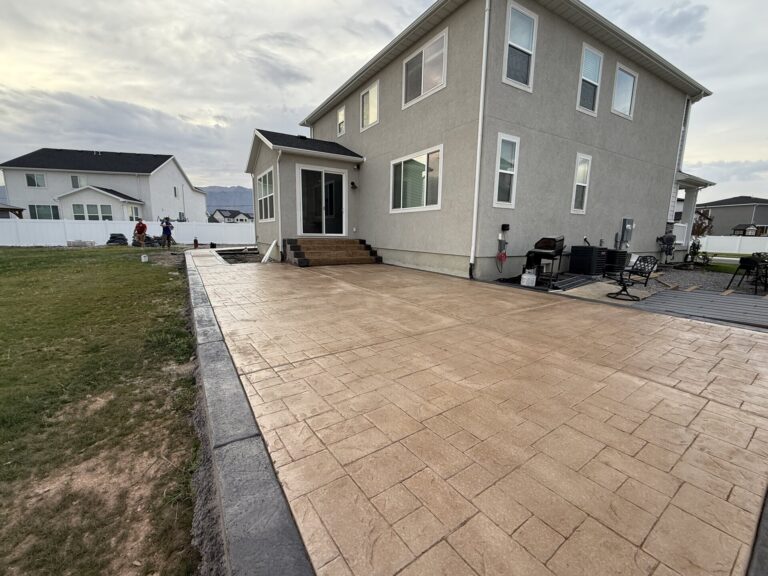
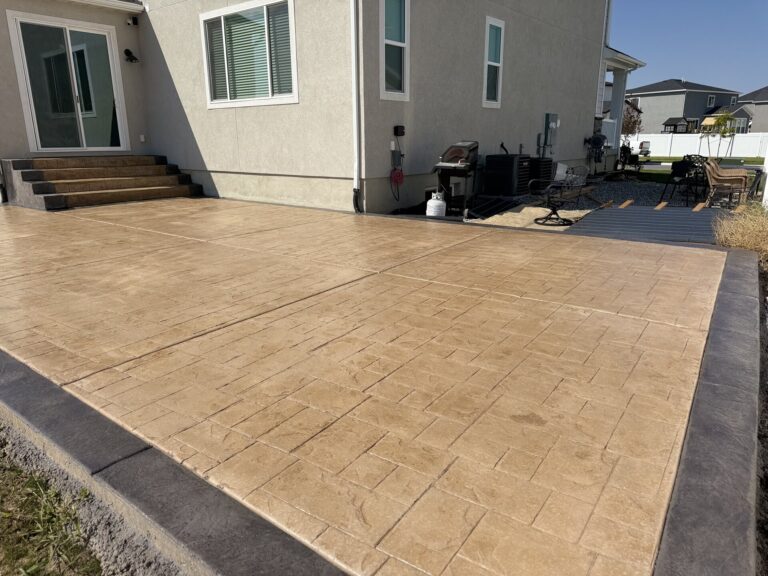
Stamped and colored concrete can mimic the look of brick, natural stone, slate, or a wide variety of paver patterns at a lower cost than natural stone pavers. Exposed-aggregate concrete offers rich texture and visual interest. Colored concrete achieves earth-tone palettes that complement Utah’s desert and mountain landscape beautifully.
Pavers offer true three-dimensional texture and the unique look of individual units — something a stamped surface approximates but doesn’t perfectly replicate. If a traditional cobblestone or Old World aesthetic is what you’re after, pavers may still be the better choice aesthetically. For most Utah homeowners who want good looks without the paver maintenance burden, decorative concrete hits a strong sweet spot.
Longevity in Utah: Which Lasts Longer?
Both materials, when properly installed with quality products, can last 20–30 years or more in Utah. The difference is how much intervention they need along the way.
A poured concrete driveway installed on a properly compacted base with air-entrained mix, reinforcement, and control joints can realistically last 30–50 years in Utah with normal sealing maintenance. The slab is a monolithic unit — there are no moving pieces to shift.
Paver systems can also last 25–30+ years, but that longevity depends heavily on the quality of the base installation and how proactively the homeowner addresses settling and joint maintenance. In Utah’s clay soils, even well-installed paver systems often need base work within 10–15 years.
For a straight durability-per-dollar calculation in Utah, concrete typically wins — particularly for driveways that handle vehicle loads and go through the most freeze-thaw stress.
Want to dig deeper into how concrete performs in our climate? Our Utah concrete maintenance guide covers sealing schedules, crack prevention, and winter care.
When Pavers Are the Right Choice
This post leans toward concrete for most Utah driveways and patios, but there are genuinely good reasons to choose pavers:
- You value the natural paver aesthetic above everything else and are willing to maintain it.
- You want repair flexibility and plan to maintain the system yourself.
- The project is a patio area with lighter foot traffic and less vehicle stress, where the base-settlement risk is lower.
- You’re in an HOA that requires a specific look that only pavers can deliver.
- Permeable pavers are required or desired for stormwater management in your area.
If pavers are your preference, invest heavily in the base. The number-one reason Utah paver installations fail prematurely is a shallow or poorly compacted base that can’t handle clay soil movement. A 6–8 inch compacted aggregate base (not just sand) is the minimum for a Utah driveway; more is better.
Quick Comparison: Concrete vs. Pavers for Utah Homeowners
*With air-entrained mix, proper base prep, control joints, and periodic sealing. Per-sq-ft figures are estimates; contact us for a free quote specific to your project.
Making the Decision: Questions to Ask Yourself
Before you choose, work through these questions:
- What’s the soil type? If your yard has heavy clay (common along the Wasatch Front), a monolithic concrete slab is usually the safer bet.
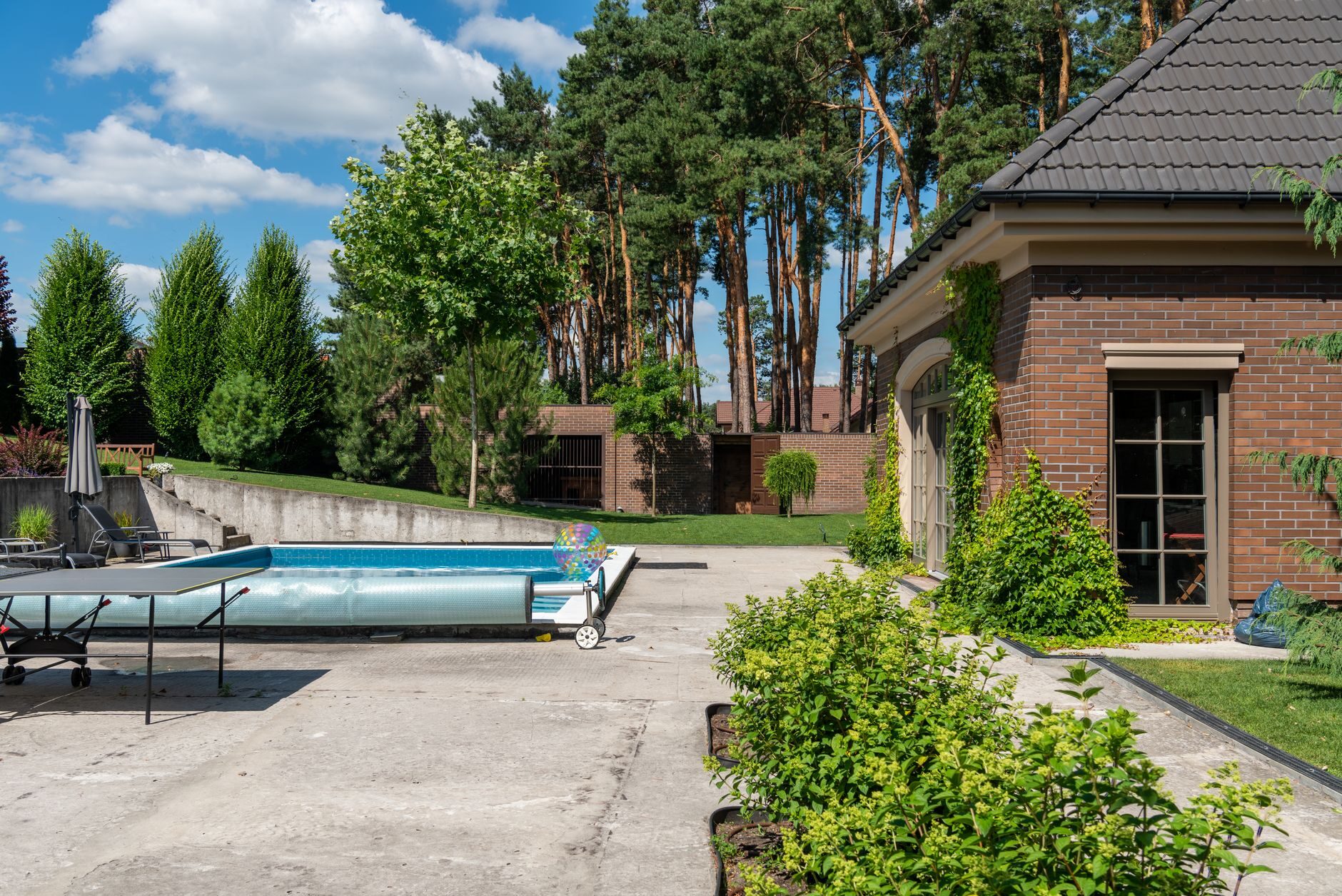
- Is this a driveway or a patio? Driveways face more vehicle stress and freeze-thaw cycling — concrete’s monolithic strength matters more there. Patios are gentler environments where pavers perform better.
- How much maintenance are you willing to do? Be honest. If re-sanding joints, pulling weeds from gaps, and periodically re-leveling settled sections sounds like a chore, concrete is your material.
- What’s your aesthetic priority? If you want the specific look of individual unit pavers, you’ll need pavers. If you just want something attractive that doesn’t look like plain gray concrete, stamped decorative concrete gets you there.
- What’s your budget for the long run? Pavers may cost more upfront and require more recurring maintenance. Concrete costs less per square foot for standard finishes and demands less ongoing attention.
Ready to Get a Concrete Quote for Your Project?
If you’ve landed on concrete — or you’re still on the fence and want a professional to look at your site — we’re happy to come out, walk the space with you, and give you a free written estimate. We pour driveways, patios, and all types of flatwork throughout Provo, Utah County, and the Wasatch Front. Give us a call at (801) 854-7174 or request a quote online.
Frequently Asked Questions
Is concrete or pavers cheaper in Utah?
Standard broom-finish concrete is typically less expensive installed than quality pavers, running about $8–$16 per square foot versus $12–$20 for concrete pavers. At the premium end — stamped concrete versus natural stone pavers — costs are similar. Concrete also tends to have lower lifetime maintenance costs in Utah because it doesn’t require the periodic re-leveling that paver systems often need on our clay soils.
Do pavers hold up better than concrete in freeze-thaw climates?
Individual pavers can flex slightly in freeze-thaw conditions, which is an advantage — but in Utah, the bigger issue is that paver base systems (sand and gravel) are vulnerable to disruption from the expansive clay soils common in Utah Valley and along the Wasatch Front. Properly installed, air-entrained concrete over a compacted road-base sub-base is generally more stable in Utah’s specific combination of freeze-thaw cycling and clay soils.
What is the biggest disadvantage of concrete driveways?
Repairs are harder to make invisible. Cracks can be filled, and resurfacing can refresh a worn slab, but matching an existing concrete pour’s color and texture is difficult. Concrete also requires sealing every 2–3 years and should not be treated with de-icing salts, especially in the first winter. That said, quality installation minimizes the need for repairs significantly.
Can you stamp concrete to look like pavers?
Yes. Stamped concrete can closely mimic the look of brick, cobblestone, flagstone, or a wide variety of paver patterns. The surface is a continuous slab rather than individual units, which eliminates joint maintenance. If you love the look of pavers but want lower maintenance, stamped concrete is worth a serious look — it generally costs less than natural stone pavers while offering similar aesthetics.
How long do concrete driveways last in Utah?
A properly installed concrete driveway — air-entrained mix, compacted sub-base, rebar or mesh reinforcement, control joints, and regular sealing — can realistically last 30–50 years in Utah. The main factors shortening concrete life are poor base prep, skipping the air-entrainment, heavy de-icing salt use, and neglecting sealing. Read our Utah concrete maintenance guide for tips on getting the most from your slab.
Is a concrete patio or paver patio better for a Utah backyard?
Both can work well for patios, which see lighter traffic than driveways. Pavers perform better on patio applications than driveways because the loading is lower. If you want an easy-care patio, concrete — especially stamped or colored concrete — is an excellent choice. If you specifically want the look and feel of individual stones or bricks, pavers are worth the added maintenance. Either way, base preparation is critical in Utah’s clay soils.
Get a Free Concrete Estimate in Utah County
Concrete or pavers — if you’re leaning concrete, we’ll come out, look at your project, and give you a free written quote. No pressure, no obligation.